
How Minor League Stadiums Affect Player Stats
You’re watching a minor league game and catch yourself thinking, “How did that ball get out?” Or maybe you wonder why a hitter rakes at home but can’t buy a hit on the road.
Sometimes, it’s not the player.
It’s the ballpark.
Minor league stadiums are full of personality. From quirky dimensions to unusual wind patterns, these environments can quietly shape player statistics in significant ways. Understanding how ballparks influence performance helps explain odd splits, unexpected power surges, and sudden slumps. More importantly, it gives fans a better lens for evaluating what they’re actually seeing on the field.
Let’s break down how minor league ballparks impact the numbers, and how you can spot those effects in real time.
→ Go Back: Deciphering Stats: Evaluating and Predicting Stardom
No Two Ballparks Are Alike
Minor league stadiums aren’t built to a single template. Each one has its own personality.
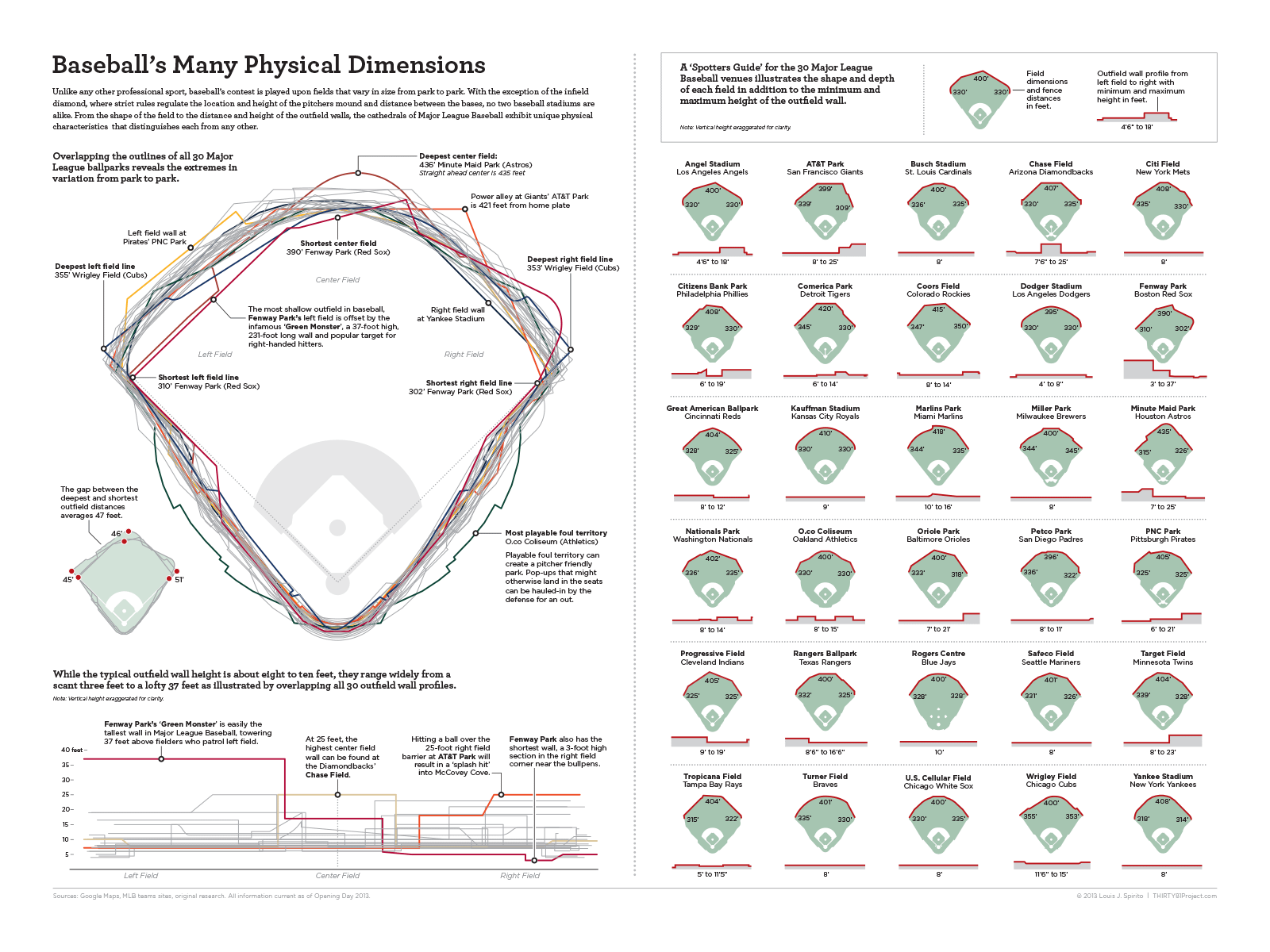
Some feature short porches that turn routine fly balls into home runs. Others stretch into massive outfields that punish hitters but reward speedy defenders. Thick night air can slow the ball, high elevation can make it soar, and quirky wind patterns, locals swear by them, can change a fly ball’s fate.
Every one of these factors leaves a mark on the stats, quietly shaping how players perform from game to game.
The Fence Factor: Home Run Havens vs Pitcher’s Parks
Short Fences = Inflated Power Stats
Parks with short outfield fences often make the ball fly higher and farther than usual. Expect bigger home run totals, higher slugging percentages, and flashier box scores. Fans should watch for a telltale sign: a hitter who mashes at home but posts only average numbers on the road is often getting a park boost.
Deep Outfields = Extra-Base Chaos
On the flip side, massive outfields create opportunities for doubles and triples, and give speedy hitters a chance to stretch hits. They also challenge outfielders, who must cover more ground, and can inflate batting averages on balls in play as line drives and bloopers find gaps.
The takeaway: knowing a ballpark’s dimensions helps explain why stats can swing wildly from one stadium to the next.

Weather & Geography Matter (A Lot)
Elevation = Extra Carry
High-altitude parks give the ball extra lift, turning routine fly balls into home runs. Scoring ticks up, hitters pad their stats, and pitchers often take the brunt in ERA and home run totals.
Wind and Humidity
A steady wind blowing out can turn any fly ball into a hitter’s dream, while heavy, humid air can kill the ball before it reaches the warning track. Locals know the tricks, and the stats don’t lie.
Understanding how weather and geography interact with stadium design is key to interpreting minor league numbers, and spotting when a player is performing above, or below, the park-adjusted norm.

Pitchers Feel It Too
A pitcher’s ERA depends on more than just their skill. In hitter-friendly ballparks, the ERA climbs, the WHIP rises, and confidence can take a hit. That is why scouts pay close attention to home and road splits. They look at FIP instead of ERA because it shows true performance. They also track strikeout rates since those numbers travel well to any stadium.
Understanding context makes evaluating pitchers smarter and more accurate.
Park Factors: The Hidden Stat
Park Factor measures how a stadium affects scoring compared to the league average. A score of 100 means the park plays neutral, while anything above 100 favors hitters and anything below 100 favors pitchers. Analysts rely on Park Factor to adjust player stats, comparing performances across different ballparks.
For example, a slugger in a hitter-friendly park might look better on paper than they would in a pitcher-friendly stadium, while a pitcher with a high ERA in a hitter’s park might actually be performing well.
By accounting for Park Factor, teams and analysts can separate true skill from ballpark influence and make smarter evaluations.
What Fans Should Watch For
When following MiLB stats, pay attention to context. Does a player hit significantly better at home than on the road? Do long balls disappear in bigger parks, leaving mostly doubles? Can pitchers keep strong strikeout rates even when their ERA looks high?
These patterns reveal whether a performance reflects real talent or just a ballpark advantage, helping fans separate skill from illusion.
Why This Matters for Call-Ups
When players move up the ladder, everything changes. Ballpark effects shift, competition gets tougher, and inflated stats often level out. The players who adjust quickly and succeed despite challenging environments are usually the ones who rise the fastest.
Paying attention to context helps fans spot true talent before it breaks out at the next level.
Final Thought
Ballparks don’t just host baseball, they shape it. Every stadium has its quirks, and understanding them turns raw box scores into stories. A towering stat line might reflect true brilliance, or it might be boosted by a friendly fence. Next time you see eye-popping numbers, consider where they came from.
That context can reveal which performances are genuinely remarkable and which are products of the park.
→ Go Back: Deciphering Stats: Evaluating and Predicting Stardom
Share this content:
Post Comment