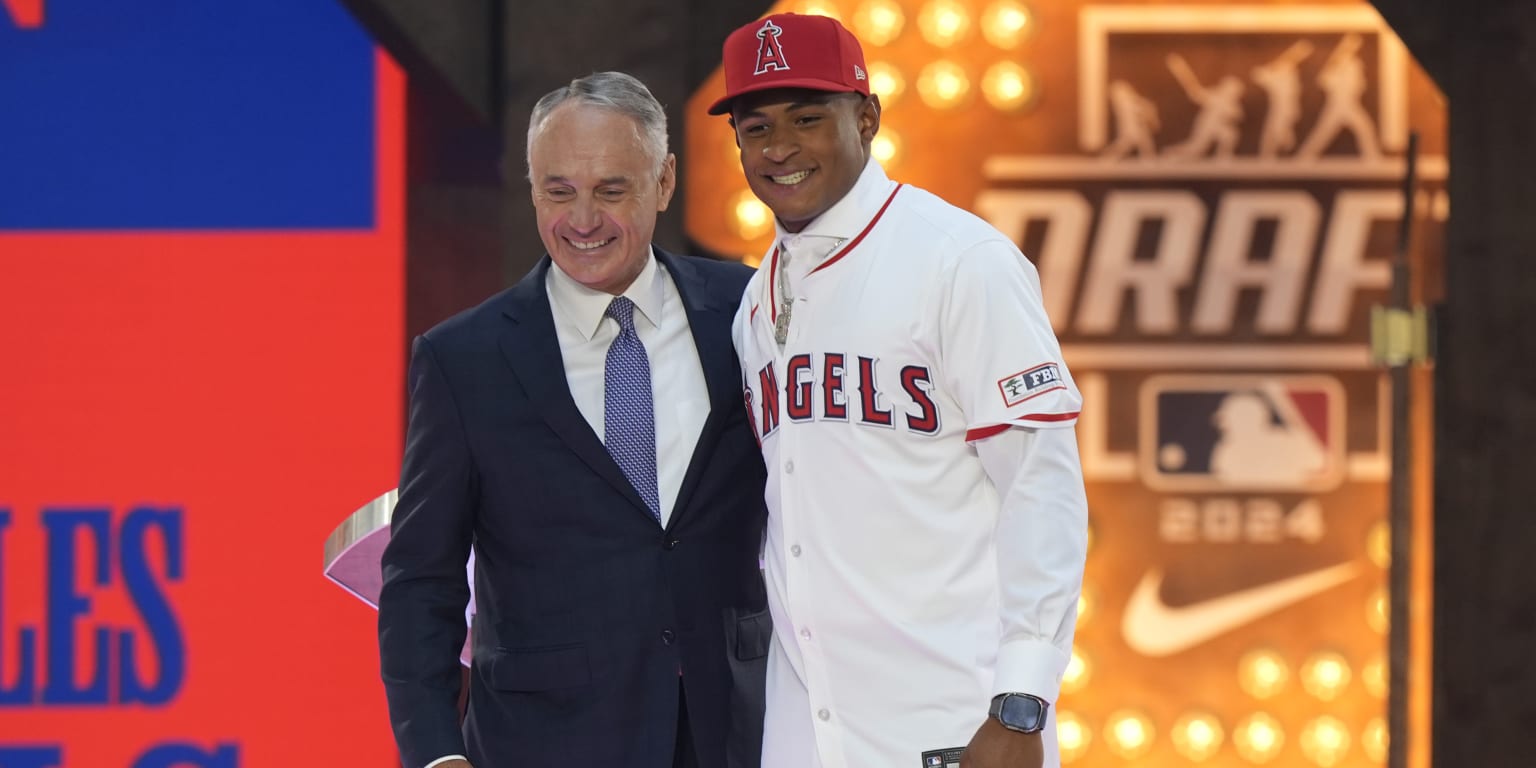
When the Draft Gets It Right… and When It Doesn’t
For every draft-day celebration, there’s a reality check waiting somewhere in the minors. These case studies show how little draft position guarantees, and how many different ways a career can unfold.
CASE STUDY 1: The First-Round “Sure Thing” Who Wasn’t
Mark Appel – 1st Overall Pick (2013, Astros)
In 2013, the Houston Astros selected Mark Appel with the first overall pick. A polished college ace from Stanford, Appel featured a big fastball, clean mechanics, and a reputation as a low-risk, MLB-ready pitcher. On paper, he seemed destined to make an immediate impact.
Reality proved more complicated. Appel struggled with command and confidence once he reached professional baseball. His development stalled in Double-A, and the pressures of the pro game weighed heavily. At one point, he stepped away from baseball entirely. Though he later returned and briefly reached the majors, the path he had envisioned never materialized.
Appel’s story highlights a critical lesson: even so-called “safe” picks can fail if development, health, or mindset falter. The transition from college dominance to professional success is massive, and studies show that early injuries or stalled development significantly shorten careers. Appel’s experience reminds teams and fans alike that projection is never certainty, and that every draft pick carries both promise and risk.
CASE STUDY 2: High School Star, High Risk
Brien Taylor – 1st Overall Pick (1991, Yankees)
In 1991, the New York Yankees selected Brien Taylor with the first overall pick in the MLB Draft. Scouts and executives were captivated by his electric left arm, plus his radar-gun velocity and the promise of franchise-altering upside. At the time, Taylor seemed poised to become one of the game’s premier pitchers.
But the path to the majors is rarely guaranteed. Off the field, a shoulder injury derailed Taylor’s career before it ever began. Despite his talent and high draft status, he never reached the major leagues.
Taylor’s story illustrates the inherent risk in drafting pitchers, especially straight out of high school. One injury can wipe out years of projection, leaving teams and fans to grapple with lost potential. It’s a stark reminder that even the most highly touted prospects face uncertainty, and that the road from draft day to MLB stardom is both fragile and unpredictable.
CASE STUDY 3: The Late-Round Legend
Mike Piazza – 62nd Round Pick (1988, Dodgers)
WIn 1988, the Los Angeles Dodgers selected Mike Piazza in the 62nd round of the MLB Draft. Almost no one expected him to make an impact. His selection came largely through a personal connection with Tommy Lasorda, and Piazza entered professional baseball with virtually no hype or expectations.
What followed was extraordinary. Through careful development, relentless work, and seizing opportunity, Piazza transformed into an elite hitter. He enjoyed a Hall of Fame career and is remembered as one of the greatest offensive catchers in baseball history.
Piazza’s story underscores an essential lesson: talent can be hidden, and draft slot does not determine destiny. With the right combination of opportunity, coaching, and perseverance, late-round picks can outperform expectations and become legends. His career is a reminder that scouting and projection are imperfect, and that sometimes the greatest stars emerge from the most unlikely places.
CASE STUDY 4: The Mid-Round Steal
Mookie Betts – 5th Round Pick (2011, Red Sox)
Why In 2011, the Boston Red Sox selected Mookie Betts in the fifth round of the MLB Draft. Despite his athleticism, Betts slid past the early rounds due to concerns about his smaller frame, questions about his power, and the fact that flashier prospects grabbed more attention. Few expected him to become a star.
Betts quickly proved the doubters wrong. His combination of elite athleticism, rapid development, and relentless work ethic allowed him to rise through the minors at a remarkable pace. He would go on to earn an MVP award, multiple Gold Gloves, and World Series titles, establishing himself as one of the premier players in the game.
Betts’ story illustrates a critical lesson for teams and fans alike: raw projection and draft position only tell part of the story. Athleticism, adaptability, and determination can outpace initial expectations, showing that development, opportunity, and mindset often define long-term success more than where a player is selected.
CASE STUDY 5: First-Round Success Story
Gerrit Cole – 1st Overall Pick (2011, Pirates)
In 2011, the Pittsburgh Pirates selected Gerrit Cole with the first overall pick in the MLB Draft. Cole stood out for his elite velocity, durable frame, and the potential to anchor a rotation for years. On paper, he seemed like a surefire future ace.
Yet success didn’t come overnight. Cole faced early struggles in the minors, and it took mechanical adjustments, development support, and even organizational changes before he truly broke out. His journey underscores that even top picks often need time, refinement, and the right environment to reach their full potential.
Cole’s story highlights a key lesson for teams and fans: draft status is just the starting point. Even highly touted first-rounders must grow, adapt, and refine their skills before achieving sustained success at the major league level. Patience, coaching, and opportunity remain critical factors in translating potential into performance.
CASE STUDY 6: International Signee vs. Draft Pick
Juan Soto (International Signee) vs. Lewis Brinson (1st-Round Pick)
Not all paths to the majors are created equal, and sometimes an international prospect can outshine a highly touted first-round draft pick. Take Juan Soto and Lewis Brinson as examples.
Juan Soto signed as an international free agent at just 16 years old. From the start, he demonstrated an advanced approach at the plate, combining plate discipline with power. His rapid development allowed him to reach the major leagues quickly, and he has since become one of baseball’s premier hitters, establishing himself as a true superstar.
By contrast, Lewis Brinson was the 15th overall pick in the MLB Draft, boasting elite tools and athleticism. Yet despite his pedigree, he never found consistent success at the major league level, struggling to translate his talent into sustained performance.
The lesson is clear: once players enter the system, draft status and signing slot fade in importance. Performance, development, and adaptability ultimately determine success. Soto’s and Brinson’s contrasting careers highlight that scouting and projection are just the starting point; opportunity, preparation, and execution decide the outcome.
CASE STUDY 7: The Organizational Fit Factor
Chris Taylor – 5th Round Pick (Mariners)
WhatChris Taylor was selected in the fifth round by the Seattle Mariners, a talented but overlooked prospect with potential yet to be fully realized. His career trajectory changed dramatically after a trade to the Los Angeles Dodgers.
Once in Los Angeles, Taylor benefited from mechanical adjustments, refinements to his approach at the plate, and a shift in how he was used on the field. These changes unlocked his potential, allowing him to break out as a versatile MLB contributor, a consistent playoff performer, and a player who delivers long-term value to his team.
Taylor’s story underscores a vital lesson in player development: sometimes it’s not the player who changes, it’s the environment. Coaching, opportunity, and organizational fit can dramatically influence whether talent translates into success, showing that even talented prospects may need the right system to thrive.
How Often Do First-Round Picks Bust?
Even at the top of the draft, success is far from guaranteed. Historical data shows that roughly 25 to 30 percent of first-round picks never reach the major leagues. About 60 to 65 percent fail to become consistent contributors, and fewer than 10 percent go on to become stars or All-Stars.
These numbers highlight a crucial truth: the draft identifies talent, but it does not determine careers. Turning potential into sustained performance requires effective development, health, adaptability, and opportunity. Even the most highly touted prospects can falter if any piece of the puzzle is missing.
Understanding these statistics helps fans appreciate the stakes of every pick and why player development, both on the field and off, is as critical as scouting and selection.
The Common Thread in Success Stories
SAcross eras and draft rounds, the players who rise to stardom often share certain key traits. Adaptability stands out, prospects who can adjust their mechanics, approach, or mindset as they face higher levels of competition tend to progress faster. Coachability is equally important, allowing players to absorb feedback and make meaningful improvements.
Health plays a critical role, as availability and durability determine whether talent can consistently translate into performance. Mental resilience helps players handle failure, pressure, and the grind of professional baseball, while opportunity at the right time often separates those who reach the majors from those who stall in the minors.
Draft position rarely captures these traits. A first-round pick can struggle without adaptability or mental toughness, while a late-round selection can excel when given guidance and opportunity. Ultimately, success in professional baseball depends on the combination of talent, preparation, and character, not just where a player’s name appears on draft day.
Final Takeaway
The MLB Draft is a filter, not a crystal ball. It identifies talent, but it cannot predict which players will thrive, which will stumble, or which will surpass expectations entirely. Some stars slip through the cracks, while highly touted top picks fail to meet projections. Most careers land somewhere in between, shaped by development, opportunity, health, and resilience.
This uncertainty is precisely why development systems are so critical. Every prospect, regardless of draft round or signing bonus, is worth watching, because the combination of coaching, guidance, and opportunity can turn a long-shot into a future superstar. Case studies, from high school phenoms to late-round legends, remind us that the path to the majors is rarely linear and never guaranteed.
And while no method exists for drafting the perfect player, the process continues to evolve, and every new prospect brings the potential to rewrite expectations. That unpredictability is part of what makes the MLB Draft endlessly fascinating.
→ Go Back: MLB Draft, Explained: Lottery Picks, Competitive Balance, and Why “Can’t-Miss” Often Misses
Share this content:
Post Comment