How Baseball Prospects Get Noticed
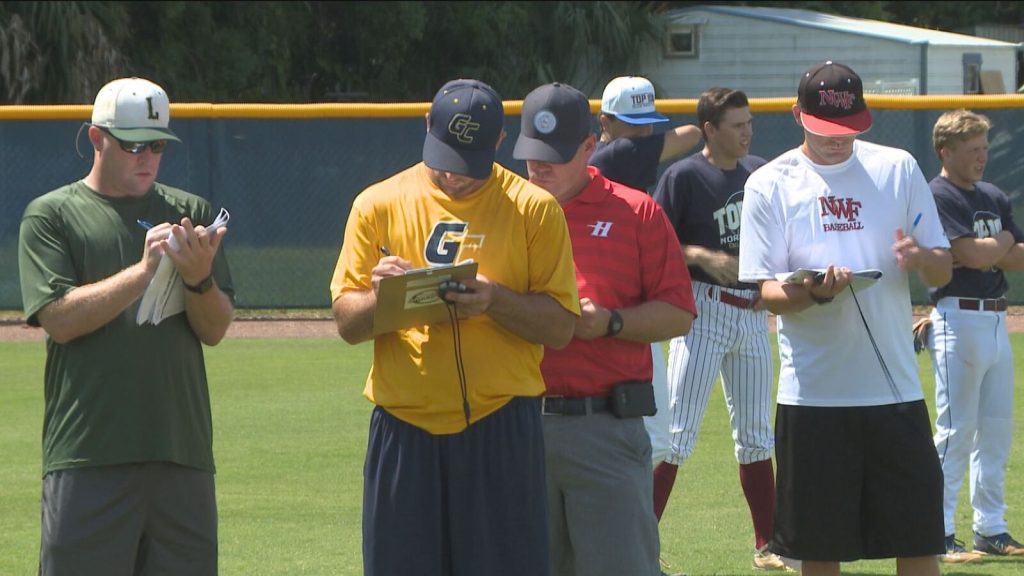
Imagine standing on a sun-soaked baseball field, cleats sinking into the dirt, with every pitch, swing, and sprint being scrutinized by someone armed with a notepad, binoculars, and possibly too much coffee. Welcome to the world of baseball scouting, the first step in a player’s journey from high school or college diamond to the bright lights of the major leagues. Here you will learn the various ways of how baseball prospects get noticed.
Scouts aren’t just looking at stats. They are evaluating mechanics, athleticism, and how a player handles game situations. They notice who hustles, who has a quick first step, and who makes smart decisions under pressure. Even intangibles like work ethic, coach-ability, and on-field awareness can make a huge difference.
In short, getting noticed isn’t about luck. It’s about showing the skills, instincts, and mindset that make a player projectable. Scouts are trained to see potential before it becomes obvious, separating the flashes of talent from the players who can grow into stars.
The Eyes of the Experts
Scouts are like treasure hunters, but instead of searching for gold, they are hunting for the next big MLB star. Their focus goes far beyond the box score, blending tools, talent, and intangibles to find players who can succeed at the highest level.
The tools are the foundation: power, speed, fielding, and throwing. Baseball scouts often refer to the “five tools,” a shorthand for the physical skills that separate good players from great ones.
Equally important is the mental game. Scouts want to know if a player can handle pressure, stay focused after an error, and grind through a long season. Attitude, work ethic, and baseball IQ often make the difference between a promising prospect and a major league contributor.
Finally, the intangibles matter. Leadership, hustle, and grit can’t always be measured, but they are noticed. Sometimes it’s the quiet kid who works hardest in practice who ends up leading the team and eventually making a name in the majors. Scouts see that early, and that’s what sets certain prospects apart.
Stats Are the New Scout
In today’s game, scouting isn’t just about what you see with your eyes. Advanced metrics like exit velocity, launch angle, spin rate, and on-base percentages give teams a science-backed view of a player’s potential. These numbers don’t replace scouts, they enhance them, providing an extra layer of insight that can spot trends and predict future success.
As a result, looking good on paper isn’t enough. Players must show consistency and repeatable skills for scouts and analytics teams to take notice. A high exit velocity or great spin rate might grab attention, but without reliable performance, a prospect can quickly fade from the radar. Stats and scouting now work together, giving teams a sharper, fuller picture of talent.
High School vs. College Players
Scouts approach high school and college players with different lenses because the context matters.
For high school players, raw potential is king. A 17-year-old might flash an incredible fastball but have unpolished hitting mechanics or defensive skills. Scouts imagine what a few years of professional coaching and seasoning could do, projecting growth rather than current performance.
College players, on the other hand, come with a longer track record against tougher competition. Proven performance matters more because scouts can see how their skills translate against more advanced pitching, hitting, and situational play. In short, high school evaluations focus on projection, while college evaluations weigh results more heavily.
The Secret Sauce: Projection
The toughest part of scouting isn’t spotting talent, it’s predicting how it will play out in the future. A player who dominates today might struggle against professional pitching or, with the right coaching, suddenly flourish.
Scouts tackle this challenge by combining multiple inputs: stats reveal measurable performance, workouts showcase athletic tools, and intuition adds context that numbers alone can’t capture. The result is high-stakes projection, a delicate blend of art and science that separates prospects who fade from those who become stars.
Why It Matters
Scouting isn’t just about filling out a draft board, it’s the first step in shaping a player’s career. A thorough evaluation can lead to a higher draft position, bigger signing bonuses, and more attention from top-tier development programs.
For teams, the stakes are even higher. Draft the right players, and you’re building future stars and potential champions. Miss a few key prospects, and a rebuilding process can stretch for years. In baseball, good scouting doesn’t just find talent, it lays the foundation for success.
Bottom Line
Scouting is part science, part art, and all passion. Early evaluations don’t just determine draft spots, they can shape a player’s entire path to the majors. The swing of a bat, the turn of a double play, or the way a pitcher repeats his delivery could be the difference between a future star and a missed opportunity.
So the next time you watch a top prospect, remember this: somewhere, a scout is probably cheering, crying, or furiously taking notes on every move. That’s how baseball prospects get noticed, and how the next generation of stars begins their journey.
Discover more in-depth areas of what scouts look for beyond the stats.
→ Check Out: Scout’s Cheat Sheet
→ Back to: Tools of the Trade: Where Scouts Meet Stats
Share this content:
Post Comment