A No-Sweat Guide for Casual Fans
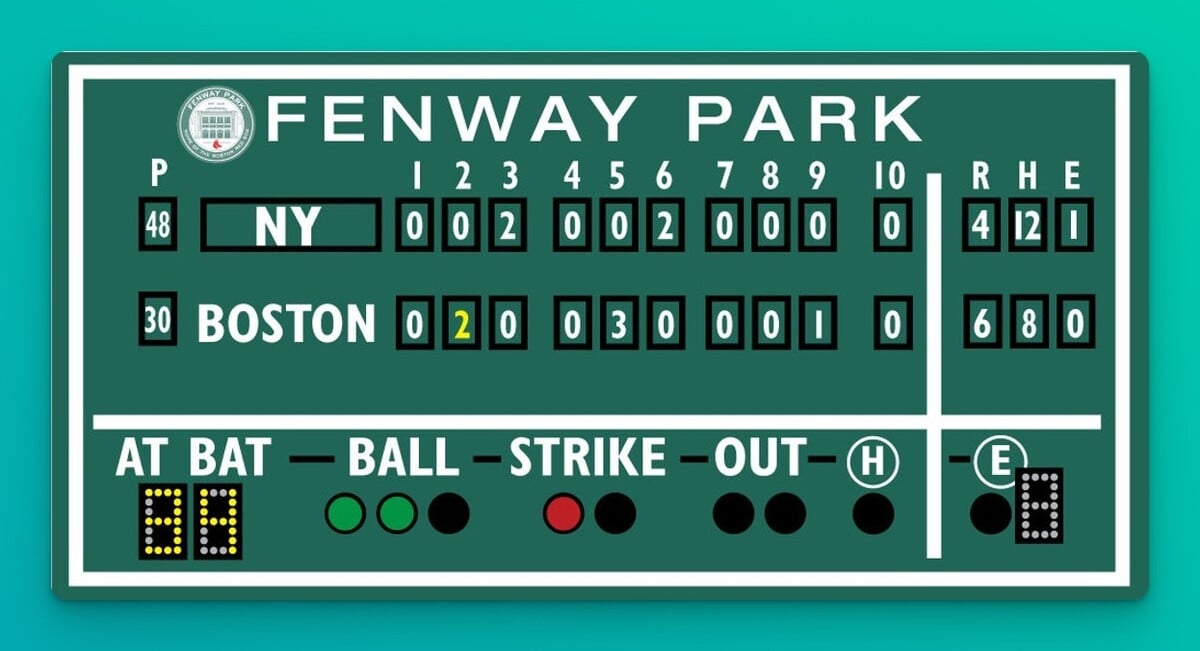
You’re watching a game, and suddenly the screen fills up with a jumble of letters:
AB • RBI • OPS • ERA
You nod like you’ve got it all figured out, but really, you’re just hoping nobody asks what any of it means.
Honestly, baseball stats aren’t as intimidating as they look. Once you know what’s what, the whole game opens up and gets way more interesting. So let’s decode the basics, no math headaches, I promise.
Batting Stats (A.K.A. “What’s this hitter actually done?”)
AB – At-Bats
This one’s simple: it’s the number of times a player officially got an opportunity to hit.
- Walks and getting hit by the pitch? Doesn’t count.
- Sacrifice bunts or flies? Nope, not here.
So, think of AB as: “How many real swings did this guy get?”
H – Hits
If a batter makes it to base safely, without help from an error, it counts as a hit.
- Single, double, triple, home run, they all count.
Easy rule: Ball lands, batter’s safe, that’s a hit.
R – Runs
This is just how many times a player made it all the way around the bases and scored.
Doesn’t matter how they got there, if they crossed home, it’s a run.
Runs are basically baseball’s points.
RBI – Runs Batted In
This tells you how many runners scored directly because of this hitter’s at-bat.
- Knock in a teammate with a single? RBI.
- Sac fly? RBI.
- Hit a homer? At least one RBI – yourself!
One thing: if the run scores because of an error or double play, no RBI.
BB – Base on Balls (Walks)
When the pitcher can’t find the strike zone and the batter gets to first base for free.
- Four balls, take your base.
- Shows the batter’s patience.
Walks aren’t flashy, but coaches love ‘em.
SO (or K) – Strikeouts
How many times a hitter struck out, or how many batters a pitcher sat down with strikes.
- “K” stands for strikeout (from “struck”).
- Backwards K? Batter watched strike three go by without a swing.
Strikeouts can be good or bad, depends on the moment.
The Slash Line: Baseball’s Power Trio
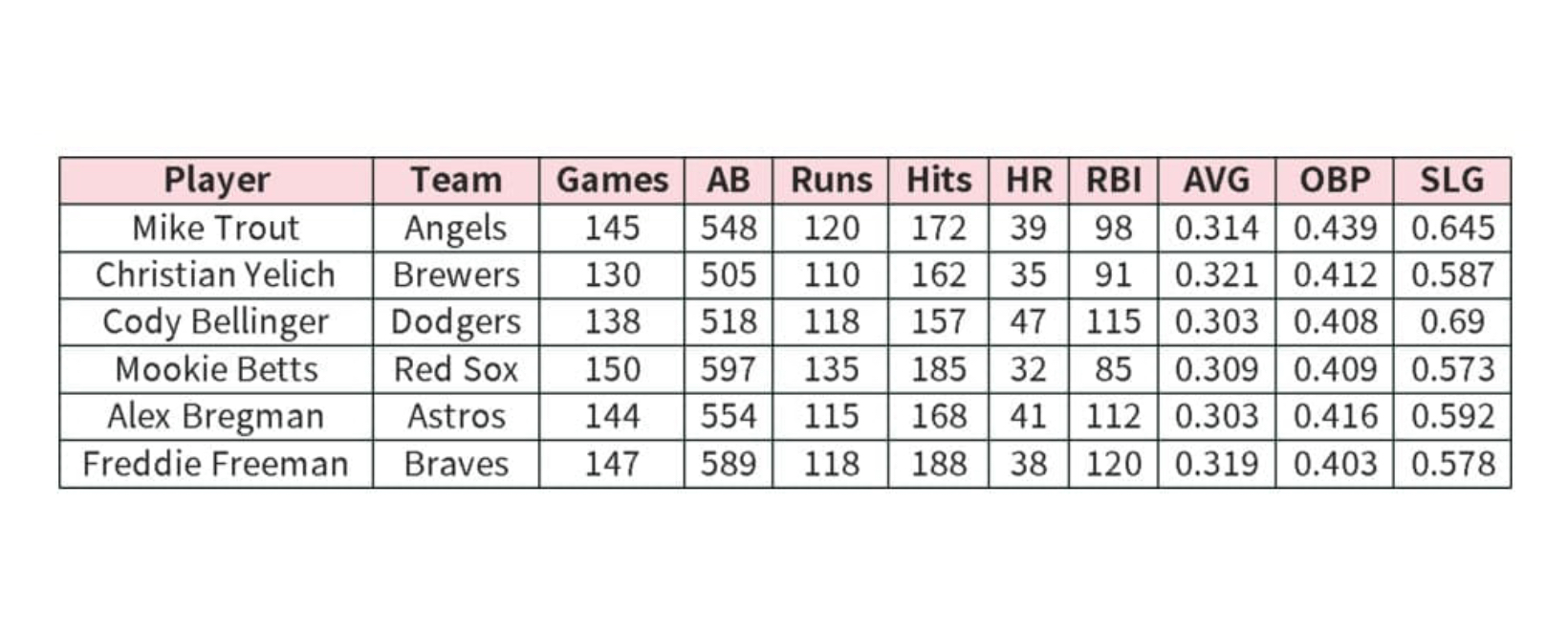
You’ll see numbers like this: .275 / .350 / .450
Here’s what’s going on:
AVG – Batting Average
Hits divided by at-bats.
- 300? That’s great
- .250? Pretty good
- .200? Trouble
Batting average shows how often a player gets a hit.
OBP – On-Base Percentage
How often a player reaches base – by hit, walk, or getting hit by a pitch.
OBP basically asks: “Does this guy find a way on?”
SLG – Slugging Percentage
This one’s all about power.
- Singles count once, doubles twice, homers four times.
A high slugging percentage? That means this hitter brings some serious punch.
OPS – On-Base Plus Slugging
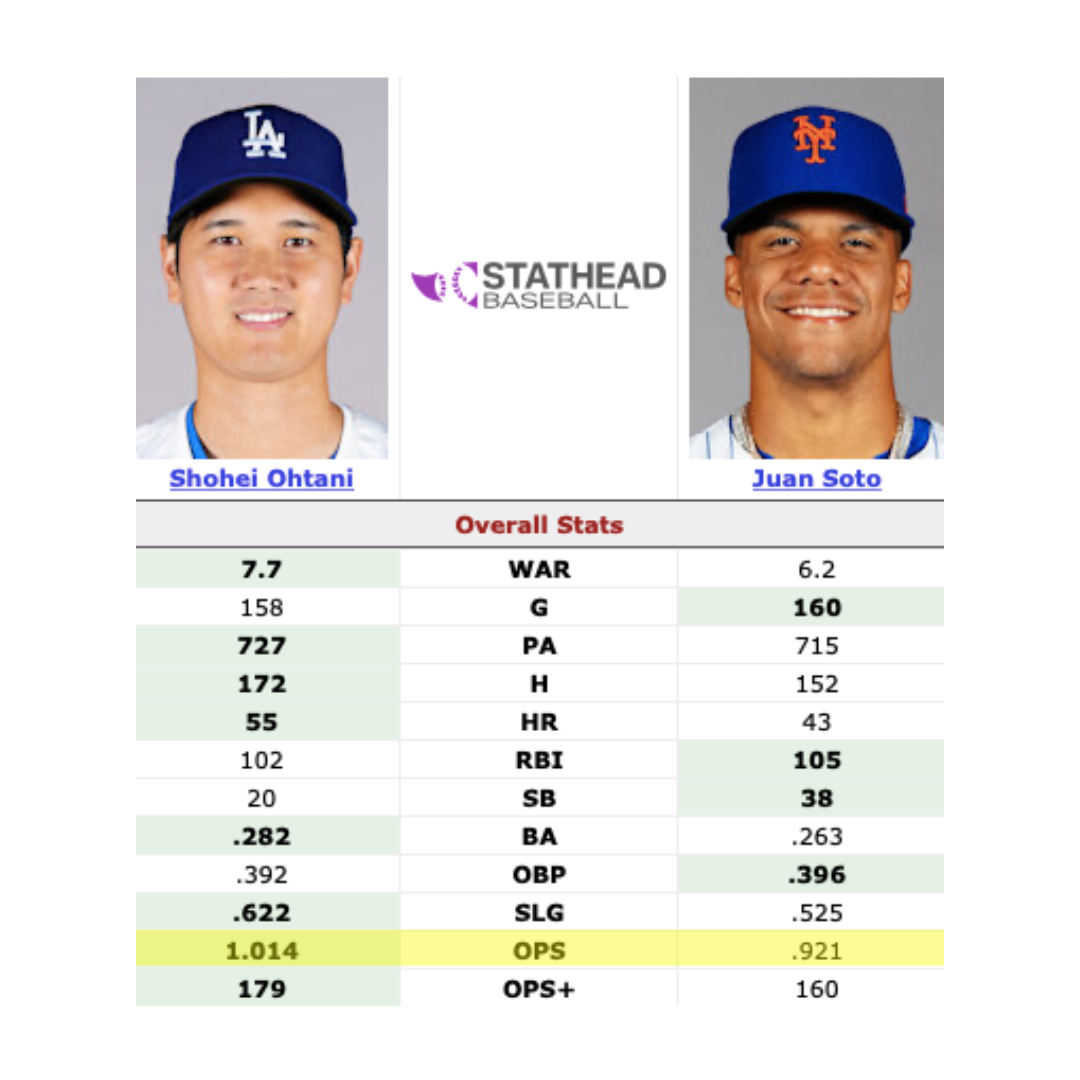
Add OBP and SLG together and you get OPS.
Broadcasters love it because it covers both getting on base and hitting for power.
If you see a player with:
- .800+ OPS – that’s really good.
- .900+ – you’re looking at a star.
Pitching Stats: The Art of Control
IP – Innings Pitched
How many innings a pitcher has worked.
- .1 = one out
- .2 = two outs
So, 5.2 IP means five innings and two outs.
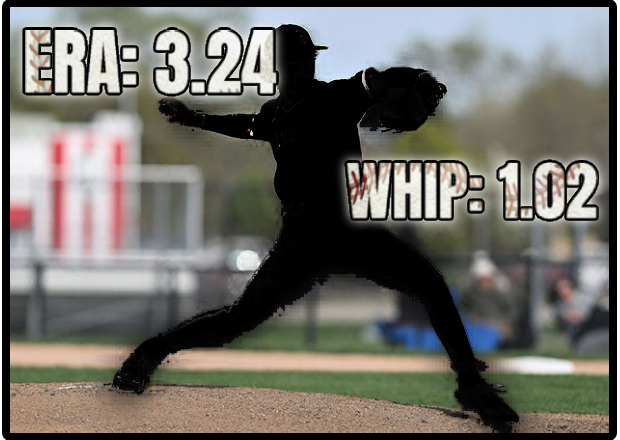
ERA – Earned Run Average
The big one for pitchers.
ERA shows how many earned runs a pitcher allows per nine innings.
- Under 3.00? Excellent
- Around 4.00? Middle of the pack
- 5.00 and up? Not good
Lower ERA, happier pitcher.
WHIP – Walks + Hits per Inning Pitched
How many base runners a pitcher allows per inning.
WHIP = (Walks + Hits) ÷ Innings Pitched
- 1.00? That’s elite
- 1.30? Solid
- 1.50+? Lotta traffic
WHIP basically tells you how much stress the pitcher deals with.
K/9 – Strikeouts per 9 Innings
How many batters a pitcher strikes out per nine innings.
Higher K/9? More dominance
Why Bother With Stats?
Stats don’t take away from the game, they add to it.
They help you:
- Understand a manager’s weird decision
- Notice a player quietly having a great night
- Win those postgame debates with friends
Best of all, stats turn baseball from background noise into a story you can actually follow, pitch by pitch.
Quick Takeaway
You don’t need to know every single stat. Just start with a few:
- RBI
- AVG
- ERA
- OPS
Pretty soon, you’ll be reading box scores like a pro, and loving the game even more.
And remember, every baseball expert started exactly where you are: just wanting to know what all those letters meant.
→ Return Home: Box Score Basics: Learning the Language of a Stat Line
Share this content:
Post Comment