Prospect to Paycheck

Contracts, Arbitration, & Player Leverage in Baseball
Power, Control, and Career Risk
Control, not choice, is what builds baseball contracts. From the moment a player signs their first professional deal, their career is shaped by service time, roster rules, and cost management. This is long before free agency ever becomes an option. Most financial outcomes are decided quietly, years before a player reaches their perceived peak.
→ Go Back: Minor League Grind: How Players Reach the Major Leagues
How Players Get Paid
Start with the big picture: how players earn money, when leverage begins, and why most careers never reach free agency if you’re new to MLB contracts.
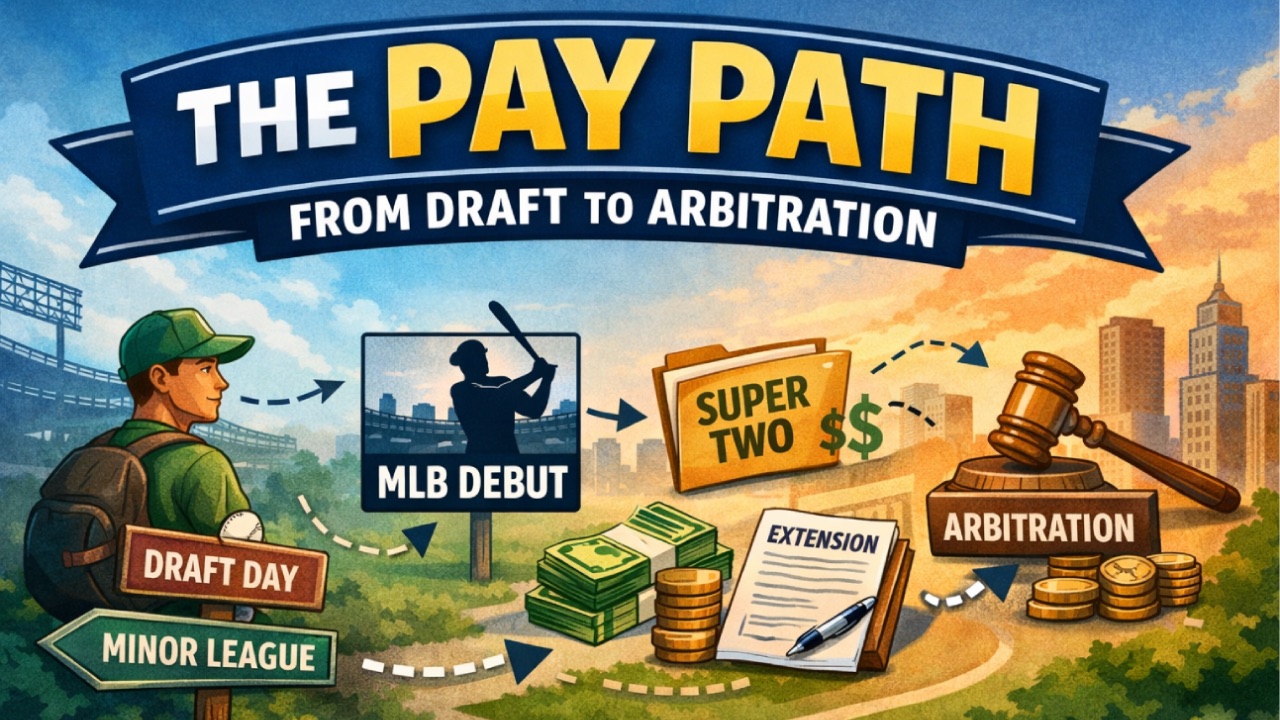
From Draft to Arbitration
See how minor league teams pay players at the start of their careers, while understanding why players hold little leverage. Additionally, learn how promotions, timing, and service rules shape salaries long before free agency.
Together, these factors show how the system balances development, opportunity, and pay for future major leaguers.
→ Explore this path: The Pay Path: From Draft to Arbitration
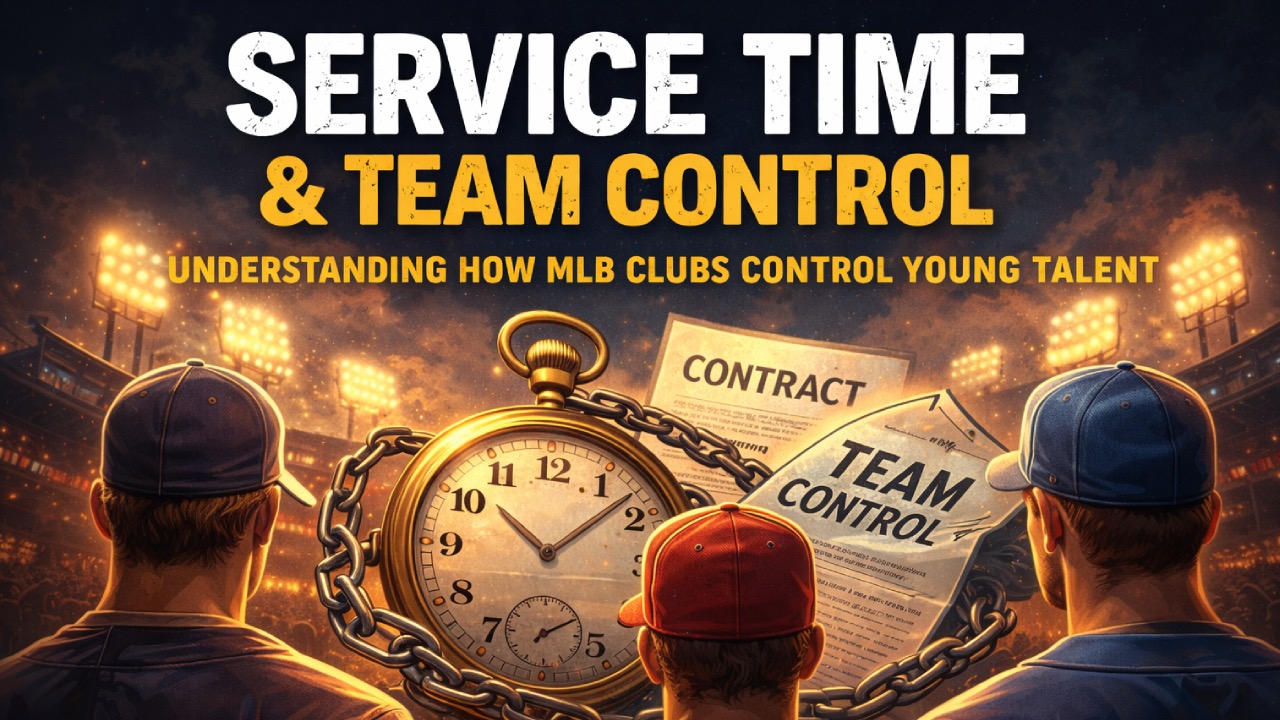
Understanding How MLB Clubs Control Young Talent
Service time is the invisible clock that governs promotions, arbitration eligibility, and free agency. In addition, see how each day on the roster directly influences a player’s value.
By understanding this system, you can follow why timing matters so much in shaping careers and opportunities.
→ Learn more: Service Time & Team Control: Understanding How MLB Clubs Control Young Talent
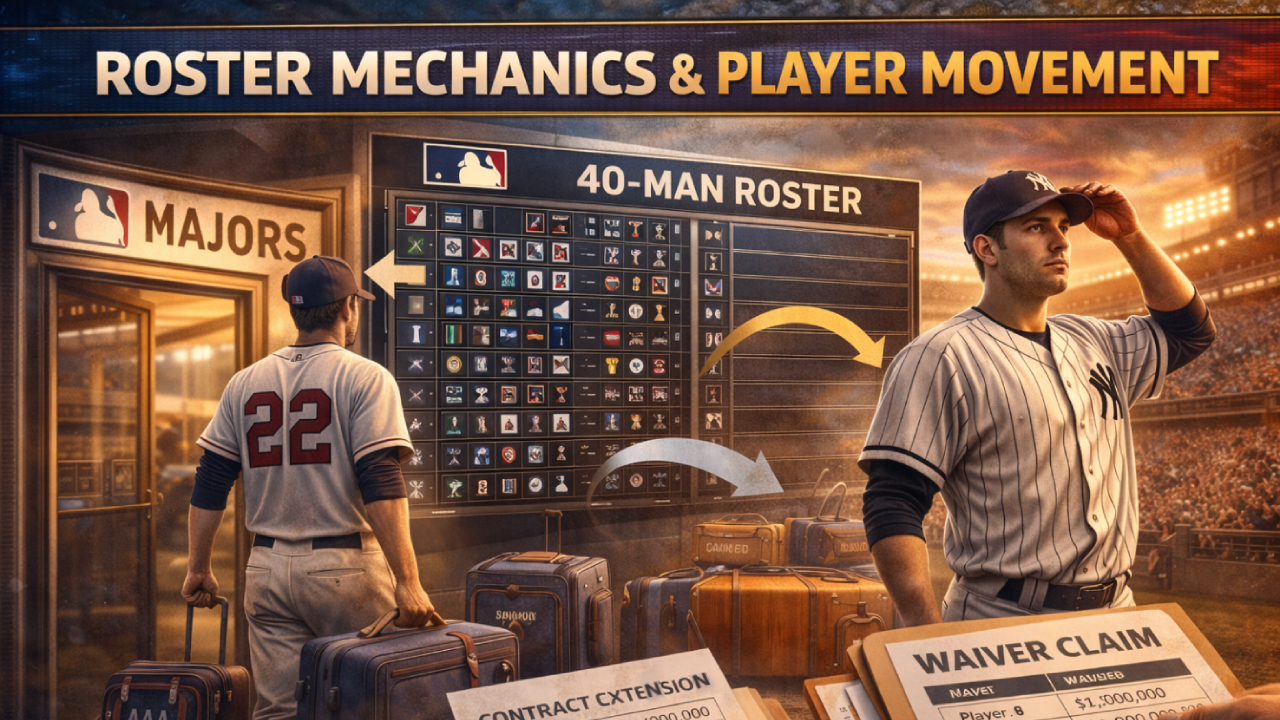
Optimizing Talent Flow & Roster Flexibility
Not all player movement is voluntary. Learn the rules teams use to move, stash, and replace players, and see how these moves happen without sending anyone into free agency.
Understanding these rules shows how teams manage rosters while keeping development and opportunity on track.
→ Read more: Roster Mechanics & Player Movement: Optimizing Talent Flow & Roster Flexibility
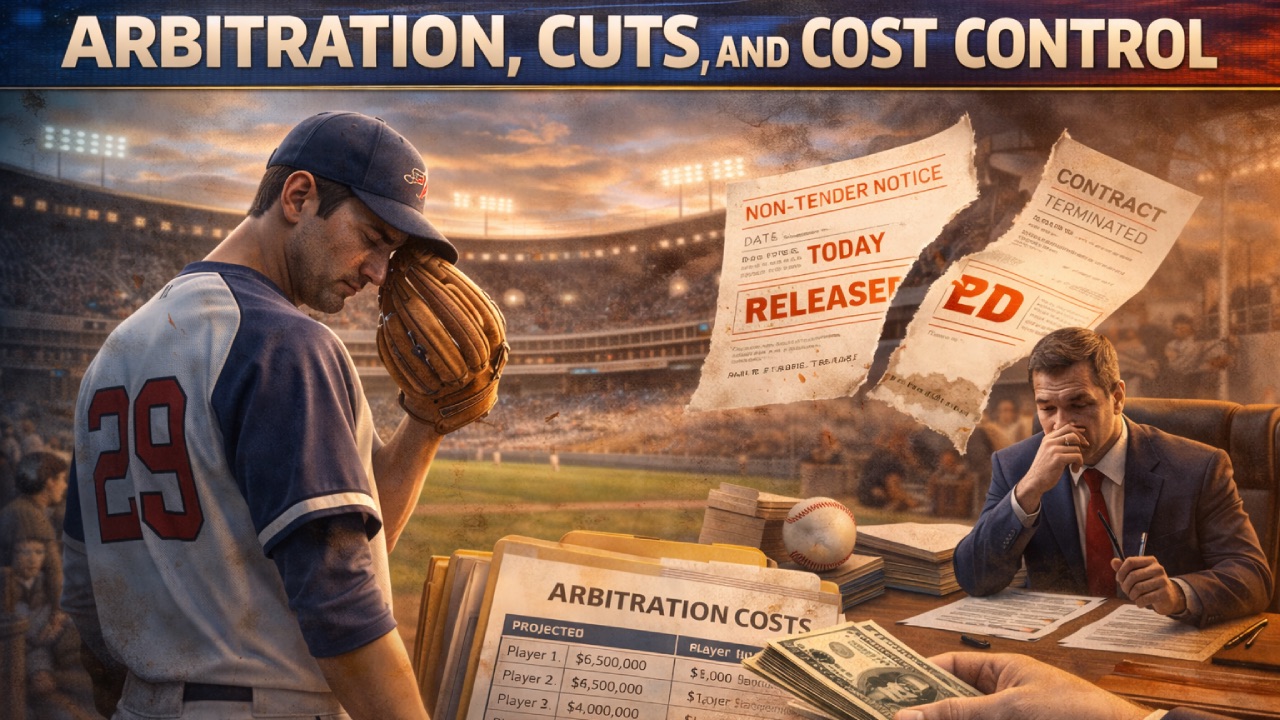
Minimizing Risk While Maximizing Efficiency
Teams make cost-driven decisions as players approach arbitration eligibility. Learn why some players are cut or non-tendered before they can earn higher salaries, and see how these choices balance budgets, roster needs, and long-term player development.
Understanding this helps explain the financial and strategic side of baseball that often happens off the field.
→ Find out more: Arbitration, Cuts, and Cost Control: Minimizing Risk While Maximizing Efficiency
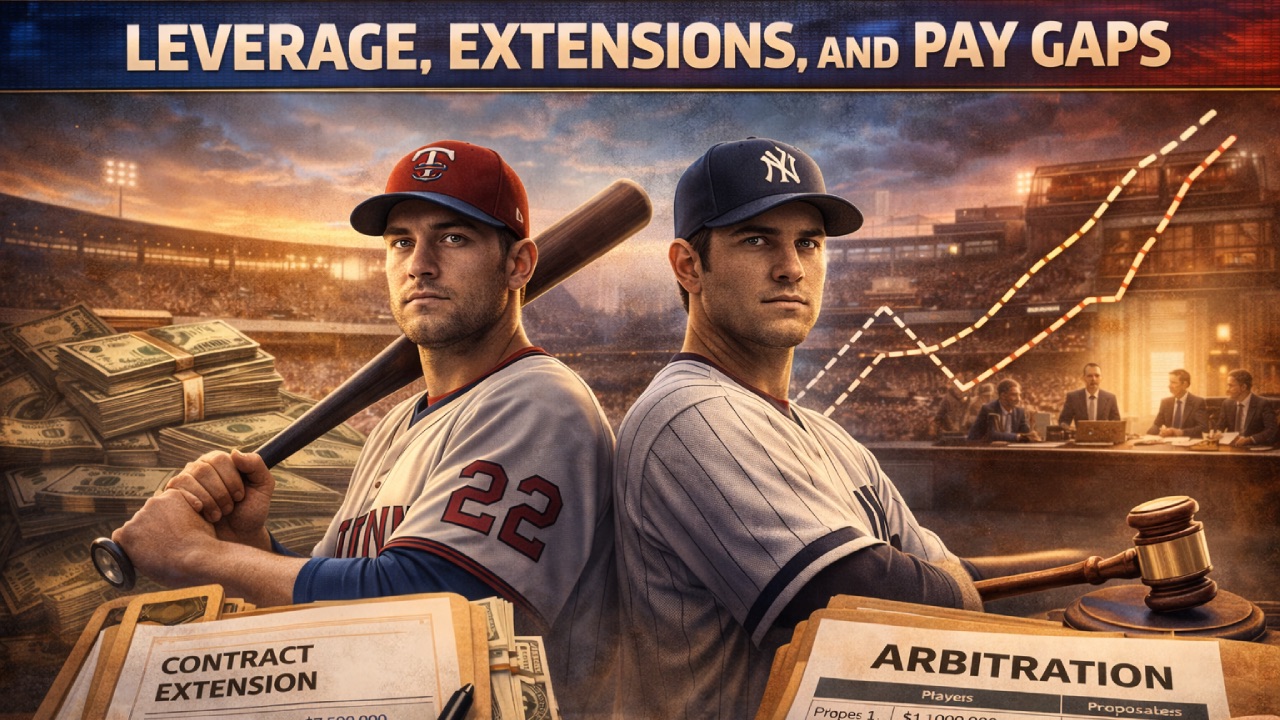
Negotiating Value in a Competitive Market
Once players gain leverage, outcomes diverge quickly, which explains why similar players can end up with very different salaries and contract situations.
By following how opportunity, performance, and timing interact, you can see why the business side of baseball often looks unpredictable.
→ Discover more: Leverage, Extensions, and Pay Gaps: Negotiating Value in a Competitive Market
Return to the Big Picture
Understanding contracts, service time, and roster rules helps to clarify the full journey of a player grinding through the minors and majors.
→ Go Back: Minor League Grind: How Players Reach the Major Leagues